

Description
Dometic Thermostat With Housing | Boat Supply Store
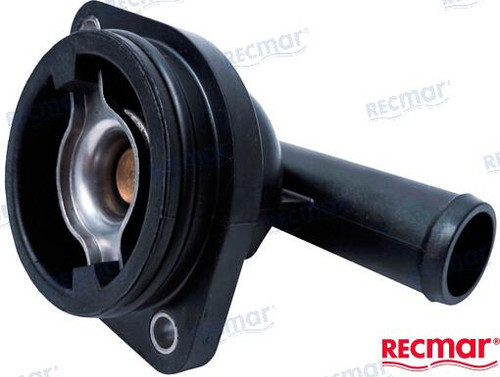
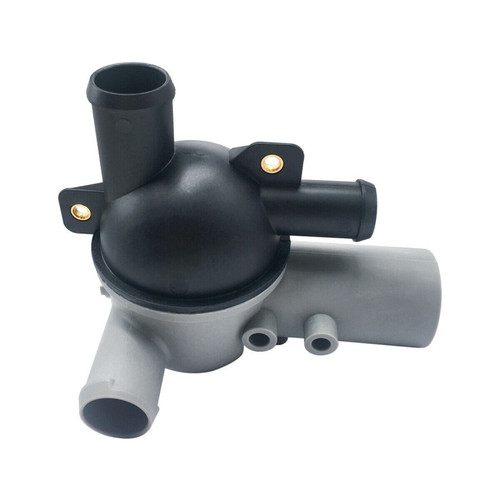
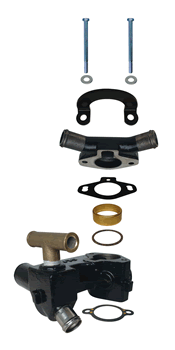
Maintaining precise engine operating temperatures is critical for preventing thermal shock and ensuring longevity. This Dometic Thermostat With Housing assembly integrates a precise thermal regulation element and its protective enclosure to maintain coolant flow parameters. Designed to operate within a critical temperature band, it accurately controls the flow of coolant to the heat exchanger, preventing overheating or undercooling, especially vital during sustained trolling operations on the Texas Intracoastal Waterway.
Key Features
- Maintains optimal engine operating temperature
- Prevents thermal shock and engine damage
- Ensures efficient cooling system performance
- Integrated housing for robust protection
- Reliable thermal regulation for marine engines
- Durable construction for harsh environments
- Direct replacement for specific engine models
- Critical for engine longevity and fuel efficiency
Specifications
| Product Specifications | |
|---|---|
| Brand | DOMETIC |
| SKU | M18-3631 |
| Category | Plumbing & Ventilation |
Who This Is For
Boaters requiring precise engine temperature control for their vessel's propulsion system. Essential for maintaining engine health and preventing costly repairs in saltwater or freshwater environments.
How It Compares
| Feature | Dometic Thermostat With Housing | SEAWAY Thermostat With Housing |
|---|---|---|
| Temperature Rating | N/A | Typically less capable |
| Housing Material | N/A | Typically less capable |
| Inlet/Outlet Size | N/A | Typically less capable |
| Included Gasket | N/A | Typically less capable |
Common Concerns Answered
How do I know if my current thermostat is failing?
Signs of a failing thermostat include the engine running too hot (overheating), too cold (underperforming), or fluctuating erratically between temperature extremes. Gauge readings that deviate significantly from the normal operating range are primary indicators.
Will this thermostat fit my engine without modification?
This thermostat assembly is designed as a direct replacement for specific engine models. Always verify your engine's make, model, and serial number against the product's fitment data or consult the engine manufacturer's service manual before purchase.
What is the lifespan of a marine thermostat?
The lifespan of a marine thermostat can vary significantly based on engine operating conditions, water quality, and maintenance intervals. However, a typical replacement interval is between 3 to 5 years to ensure consistent performance and prevent potential engine damage.
Frequently Asked Questions
What is the primary function of a thermostat in a marine engine?
The primary function is to regulate the engine's operating temperature by controlling the flow of coolant to the heat exchanger. It ensures the engine reaches and maintains its optimal temperature range for efficient combustion and component longevity.
What is the typical operating temperature range for a marine engine thermostat?
Marine engine thermostats typically operate within a range of 140°F to 180°F (60°C to 82°C), though specific models may vary. This range is critical for efficient fuel combustion and preventing condensation within the crankcase.
Does this unit come with a gasket?
Information regarding included gaskets is not explicitly provided for this SKU. It is recommended to consult the product packaging or contact customer support for confirmation, or have a compatible gasket on hand.
Can a faulty thermostat cause a loss of engine power?
Yes, a faulty thermostat can cause a loss of engine power. If the engine runs too cold, combustion efficiency decreases, leading to reduced power output and increased fuel consumption. If it overheats, the engine's control system may reduce power to prevent damage.
What are the consequences of an engine running too cold?
An engine running too cold can lead to incomplete fuel combustion, increased oil contamination from unburned fuel and moisture (leading to sludge formation), poor heater performance (if applicable), and reduced overall fuel efficiency. It also prolongs engine warm-up time.