
Description
Viking 17lb Composite LPG Cylinder w/OPD Valve | Boat Supply Store
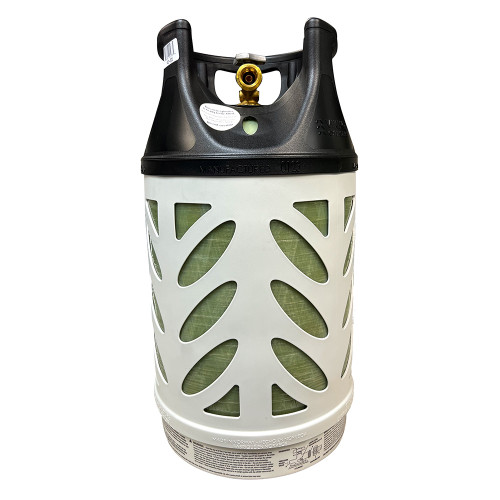
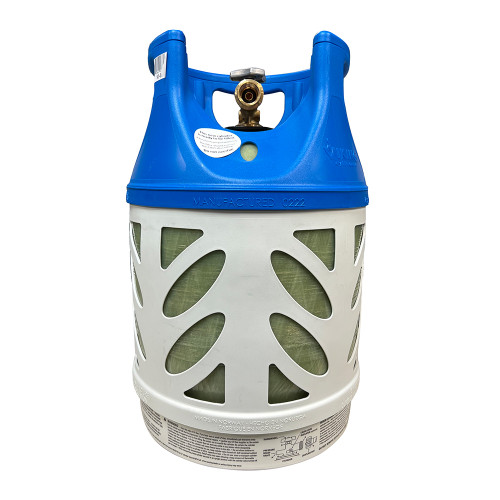
For offshore cruising or coastal anchoring, ensure your marine galley appliances operate reliably with this 17lb vertical fiberglass composite LPG cylinder from Viking Cylinders. Its non-corrosive, 3-layer construction provides superior durability and withstands extreme temperatures from -40°F to over 149°F. The integrated internal bladder offers a visible gas level indicator, eliminating guesswork for critical fuel monitoring during extended voyages.
Key Features
- Lightweight composite construction reduces overall vessel weight.
- Visible gas level indicator for precise fuel monitoring.
- Corrosion-resistant 3-layer fiberglass composite material for longevity.
- Ergonomic collar and integrated handle simplify transport and connection.
- Type 1 valve with OPD ensures safe and compliant gas flow.
- UV-protected outer casing withstands marine environmental exposure.
- All-weather performance tested and approved for operation down to -40°F/C.
- Marine-grade safety with DOT and TC certifications.
Specifications
| Product Specifications | |
|---|---|
| Capacity | 17 lb |
| Orientation | Vertical |
| Material | Fiberglass Composite |
| Valve Type | Type 1 with OPD |
| Approvals | DOT, TC |
| Construction Layers | 3-layer |
| Temperature Rating (Low) | -40°F/C |
| Temperature Rating (High) | 149°F (65°C) |
Who This Is For
Boaters and RV owners requiring a durable, lightweight, and safe propane cylinder for onboard galley appliances. Ideal for those seeking an upgrade from traditional steel tanks with enhanced safety features and visibility.
How It Compares
| Feature | Viking 17lb Composite LPG Cylinder w/OPD Valve | Manchester Tank 17 lb. Steel Propane Cylinder with Type 1 Valve |
|---|---|---|
| Material | Fiberglass Composite | Steel |
| Weight (Empty) | Lighter than steel | Approx. 15-18 lbs |
| Visible Gas Level | Yes | No |
| Corrosion Resistance | High | Low |
| Valve Type | Type 1 | Type 1 |
Common Concerns Answered
Why is the initial cost higher than steel cylinders?
The higher upfront cost reflects the advanced materials and construction, offering superior corrosion resistance, a visible gas level indicator, and a significantly lighter weight, all contributing to enhanced safety and long-term value in a marine environment.
How does the visible gas level feature work?
An internal bladder, encased within the composite cylinder wall, allows for visual confirmation of the remaining LPG level, providing a clear and convenient fuel gauge without the need for external indicators.
Are these cylinders suitable for varying weather conditions at sea?
Yes, these Viking Cylinders are tested and approved for operation in extreme temperatures, functioning reliably from -40°F/C up to temperatures exceeding 149°F (65°C), ensuring consistent performance in diverse marine climates.
Frequently Asked Questions
Where can these Viking Cylinders be refilled?
Viking Cylinders can be refilled at any authorized LPG dispensing station that handles composite cylinders, similar to where traditional steel propane tanks are refilled.
How safe are these Viking Cylinders?
These cylinders are equipped with a Type 1 valve featuring an Overfill Prevention Device (OPD), and are DOT and TC approved, meeting stringent safety standards for marine applications. Their non-corrosive composite construction further enhances safety.
When do Viking Cylinders need to be recertified?
Composite LPG cylinders like Viking Cylinders typically have a significantly longer service life and often do not require the periodic recertification mandated for steel cylinders. Refer to the manufacturer's guidelines for specific recertification intervals or end-of-life indicators.
How long is the useful life of a Viking Cylinder?
While specific service life can vary, composite cylinders are designed for extended durability and often have a service life of 15-20 years or more, far exceeding that of many steel cylinders, especially in corrosive marine environments.
Will Viking Cylinders work in cold climates?
Yes, Viking Cylinders are tested and approved for use down to -40°F/C, making them exceptionally reliable for cold weather operations where gas performance can be critical.