
Description
C. Sherman Johnson Splice Eye Terminal for Dyneema | Boat Supply Store
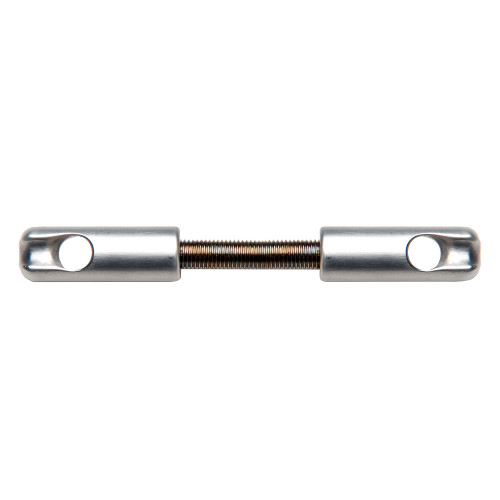
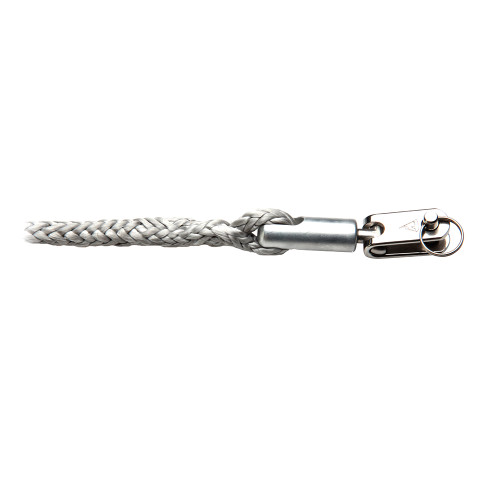
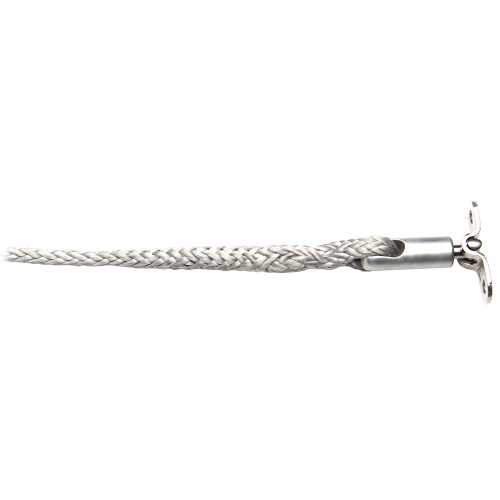
Transitioning to advanced synthetic lifelines requires specialized hardware, and this deck terminal facilitates the integration of high-strength Dyneema or Spectra lines into existing or new lifeline systems. It is engineered to enable the secure splicing of these hi-tech materials to standard marine fittings, minimizing chafe and preserving line integrity. Approved for offshore racing by US Sailing and ISAF, it offers a lightweight, line-friendly alternative to traditional stainless steel.
Key Features
- Facilitates splicing of hi-tech Dyneema/Spectra lines to standard fittings.
- Lightweight design reduces deck loading.
- Line-friendly construction minimizes chafe and preserves strength.
- US Sailing Approved for competitive offshore use.
- ISAF Approved for international offshore racing.
- Ideal alternative to stainless steel lifelines for racing and cruising.
- Enhances safety and performance with advanced synthetic rigging.
- Direct replacement capability for traditional lifeline terminations.
Specifications
| Product Specifications | |
|---|---|
| Type | Deck Terminal with Splice Eye |
| Material | High-strength composite |
| Line Compatibility | Dyneema/Spectra |
| Racing Approval | US Sailing & ISAF Approved |
Who This Is For
Sailors seeking to upgrade their vessel's lifelines from conventional stainless steel to modern, high-performance Dyneema or Spectra lines. This is particularly relevant for offshore racers and serious cruisers prioritizing strength and weight reduction.
How It Compares
| Feature | C. Sherman Johnson Splice Eye Terminal for Dyneema | Competitor |
|---|---|---|
| Primary Function | Deck Terminal with Splice Eye for Dyneema/Spectra Lifelines | Deck Eye for Attachment Point|Deck Eye for Attachment Point |
| Dyneema/Spectra Splicing Capability | Yes | No|No |
| Line-Friendly Design | Yes | Not Applicable|Not Applicable |
| Offshore Racing Approval | US Sailing & ISAF Approved | Not Specified|Not Specified |
Common Concerns Answered
What is a C. Sherman Johnson Deck Terminal with Splice Eye used for?
This deck terminal is specifically designed to create a secure termination point for Dyneema or Spectra lifeline systems, enabling the splicing of these advanced synthetic lines to standard deck hardware.
Is professional splicing recommended for this product?
Yes, professional splicing is highly recommended for optimal results. Achieving a reliable and robust splice with high-tech Dyneema/Spectra lines requires specialized knowledge and tools to ensure safety and performance, which is why installation difficulty is rated a 3.
What are the benefits of using Dyneema/Spectra lifelines with this fitting?
Dyneema/Spectra lifelines offer significantly higher strength-to-weight ratios compared to traditional stainless steel, resulting in lighter rigging and reduced windage. They are also more resistant to UV degradation and corrosion, and this terminal ensures they are integrated without damaging the line.
Frequently Asked Questions
Can I use Dyneema or Spectra line with this fitting?
Yes, this C. Sherman Johnson deck terminal is specifically designed to facilitate the splicing of hi-tech Dyneema and Spectra lines.
Is this fitting suitable for offshore racing?
Absolutely. This deck terminal is approved for offshore racing by both US Sailing and ISAF, indicating its suitability for demanding competitive conditions.
What are the benefits of using Dyneema/Spectra lifelines compared to stainless steel?
Dyneema/Spectra lifelines are significantly lighter, stronger, and more flexible than stainless steel. They also do not corrode and can be easier to handle, though they require proper termination techniques.
Does the Dyneema line come included with this deck terminal?
No, the Dyneema or Spectra line is not included with the C. Sherman Johnson Deck Terminal. This product is the fitting hardware itself, and the line must be purchased separately.
What makes this terminal 'easy on the line'?
The design of the terminal minimizes sharp edges and stress points where the line would be under load. This reduces the potential for chafe and abrasion, preserving the integrity and lifespan of high-performance synthetic lines like Dyneema and Spectra.