
Description
Impeller for Marine Engines | Boat Supply Store
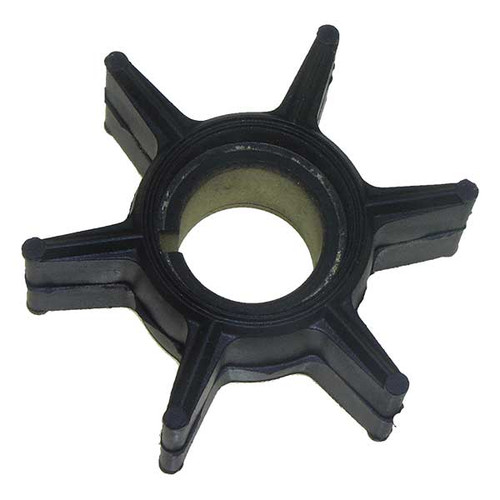
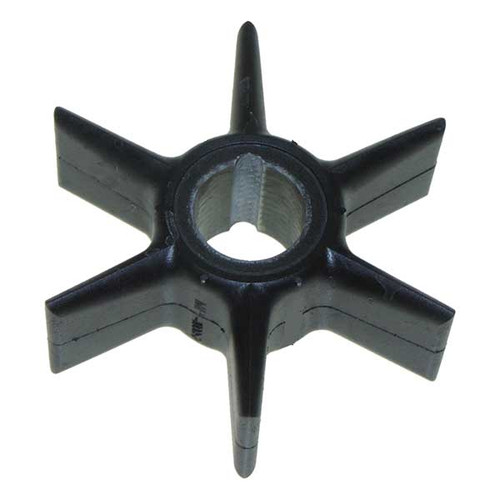
A failing impeller is the primary cause of marine engine overheating, especially during prolonged periods of operation in warmer Texas waterways. This replacement impeller, crafted from durable rubber, ensures efficient raw water circulation essential for heat exchange within your marine propulsion system. Designed for longevity and consistent performance, it maintains optimal engine operating temperatures, preventing costly damage and ensuring reliability on the water.
Key Features
- Ensures optimal engine cooling
- Prevents costly overheating damage
- Maintains reliable raw water circulation
- Constructed from durable rubber compound
- Designed for extended service life
- Direct replacement for common pumps
- Critical for engine longevity
- Essential for consistent performance
Specifications
| Product Specifications | |
|---|---|
| Brand | ENGINEERED MARINE PRODUCTS |
| SKU | M47-09200 |
| Model | Impeller Emp |
| MPN | undefined |
| Material | Rubber |
| Category | Engine |
Who This Is For
Boaters who perform routine engine maintenance and seek a reliable replacement for their worn-out water pump impeller. This part is crucial for owners of gasoline or diesel inboard/outboard marine engines requiring consistent cooling performance.
How It Compares
| Feature | Impeller for Marine Engines | Jabsco |
|---|---|---|
| Material | Rubber | Neoprene |
| Durability | High | Typically less capable |
| Cooling Efficiency | Optimal | Good |
| Service Life | Extended | Average |
Common Concerns Answered
How do I know if my impeller needs replacement?
Symptoms include engine overheating, loss of water flow from the exhaust, and audible grinding noises from the raw water pump. Visual inspection often reveals cracked, brittle, or missing vanes on the old impeller.
Will this impeller fit my specific engine?
This impeller is designed as a direct replacement for specific pump models. Always verify compatibility with your existing raw water pump model number and engine manufacturer's recommendations before purchasing.
How often should I replace my engine's impeller?
Routine replacement is typically recommended annually or every 200-300 operating hours, whichever comes first. Inspecting it more frequently in hard-working conditions or after prolonged storage is advised.
Frequently Asked Questions
What is the primary function of a marine engine impeller?
The impeller is the heart of the raw water cooling system, responsible for pumping cooling water from the sea or lake through the engine's heat exchangers to dissipate heat.
What type of rubber is typically used for marine impellers?
Marine impellers are commonly constructed from durable synthetic rubber compounds like neoprene or nitrile, chosen for their flexibility, resistance to saltwater corrosion, and ability to withstand engine heat.
What are the consequences of a damaged or worn impeller?
A damaged or worn impeller will fail to adequately circulate cooling water, leading to severe engine overheating, potential gasket failure, warped cylinder heads, and catastrophic engine damage.
Can I use this impeller in freshwater applications?
Yes, while designed for marine use, impellers are generally effective in both saltwater and freshwater environments for raw water cooling. However, saltwater can accelerate wear on certain components.
What is the recommended installation procedure for a new impeller?
Ensure the pump housing is clean, lubricate the new impeller and shaft lightly with silicone grease or Vaseline, and carefully insert it, rotating the shaft clockwise to align the vanes with the housing. Torque all fasteners to manufacturer specifications.