
Description
Engineered Marine Products Impeller | Boat Supply Store
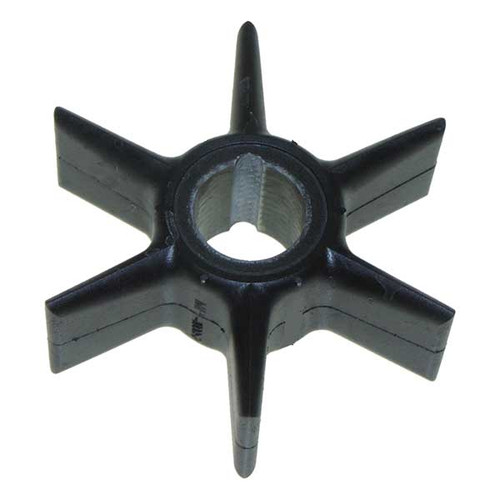
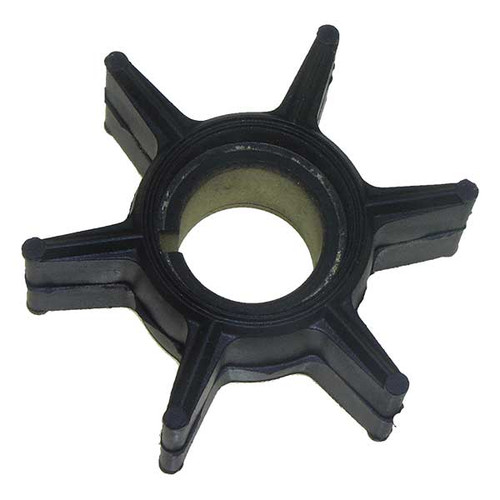
This impeller is critical for maintaining efficient raw water cooling, preventing engine overheating during demanding operations. It features a robust construction designed to withstand the abrasive conditions common in marine environments, ensuring longevity and reliability. Specifically engineered for optimal flow dynamics, this component directly impacts your engine's ability to dissipate heat, crucial for extended periods at WOT (Wide Open Throttle) or during slow trolling in hot Texas inlets.
Key Features
- Maintains critical engine temperature during operation
- Ensures consistent raw water flow for cooling
- Constructed for durability in marine environments
- Prevents costly engine damage from overheating
- Designed for efficient heat dissipation
- Reliable performance under stress
- Facilitates optimal engine efficiency
- Essential for routine engine service
Specifications
| Product Specifications | |
|---|---|
| Brand | ENGINEERED MARINE PRODUCTS |
| SKU | M47-47233 |
Who This Is For
This impeller is designed for marine engine owners and maintenance professionals seeking a direct replacement for a critical engine cooling component. It is ideal for those performing routine service or addressing a worn-out impeller to ensure uninterrupted vessel operation.
How It Compares
| Feature | Engineered Marine Products Impeller | Generic |
|---|---|---|
| Material | Rubber | Rubber |
| Application | Raw Water Pump | Raw Water Pump |
| Shaft Diameter | Varies by specific application, consult manual | Varies by specific application, consult manual |
| Number of Blades | Varies by specific application, consult manual | Varies by specific application, consult manual |
Common Concerns Answered
Will this impeller fit my specific engine model?
While this impeller is engineered for marine raw water pumps, precise fitment depends on the specific pump housing and shaft diameter. Always consult your engine's service manual for the correct impeller specifications (e.g., number of blades, shaft diameter) to ensure compatibility.
How often should I replace my impeller?
Impellers are wear items and should typically be inspected annually and replaced every 1-2 years or as recommended in your engine's service manual, especially after prolonged periods of operation or if signs of wear are visible. Early replacement prevents catastrophic engine failure due to overheating.
What are the signs of a failing impeller?
A failing impeller will often result in reduced water flow from the engine's tell-tale outlet, overheating alarms, or an engine temperature that rises faster than normal, particularly under load. Inspect the impeller vanes for nicks, tears, or missing pieces.
Frequently Asked Questions
What is the primary function of this engine impeller?
This impeller's primary function is to pump raw water through the engine's cooling system, dissipating heat and preventing the engine from overheating.
What type of marine environment is this impeller suited for?
This impeller is designed for general marine use, capable of handling the challenges of both freshwater and saltwater environments, though proper maintenance is always recommended for longevity.
Are there specific engine brands or models this impeller is compatible with?
This impeller is designed as a replacement part for various marine raw water pumps. To confirm compatibility, cross-reference the SKU (M47-47233) or MPN (if available) with your engine manufacturer's recommended parts list or service manual.
What is the typical lifespan of a marine engine impeller?
Under normal operating conditions and with regular inspection, marine impellers typically require replacement every 1-2 years or between 100-200 operating hours. However, this can vary significantly based on water conditions and engine usage.
Does the installation difficulty rating of '1' mean it's a simple replacement?
An Install Difficulty rating of '1' indicates a relatively straightforward replacement process, typically requiring basic tools and mechanical knowledge. Most boaters can perform this task as part of routine engine maintenance.