
Description
PropOne Foul-Release Coating Kit for Propellers | Boat Supply Store
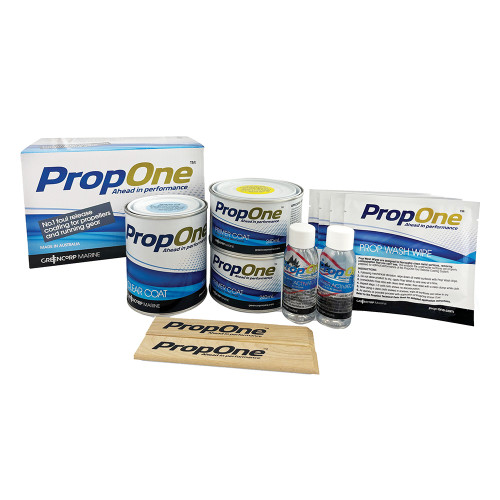
Combat marine fouling and enhance propulsive efficiency with this 250ml foul-release coating system. Engineered for DIY application, it utilizes a unique mechanism to prevent adhesion of barnacles and slime, reducing drag and improving fuel economy. The kit includes a 120mL primer and 30mL activator, followed by a 100mL clear coat, sufficient for approximately two 24-inch propellers, providing over a decade of proven efficacy in real-world marine environments.
Key Features
- Durable Foul-release coating for propellers and running gear
- Proven Track record of over 10+ years in marine applications
- Popular Among DIY users for straightforward application
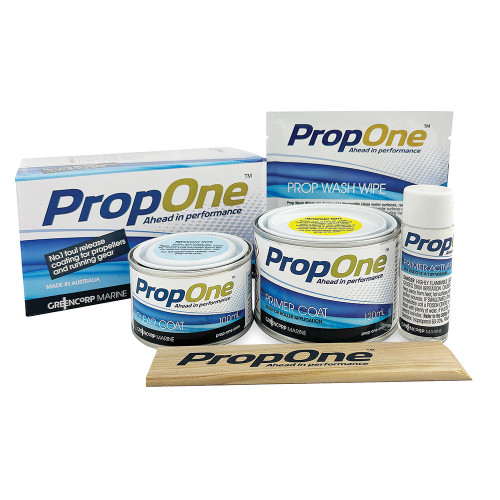
- Comprehensive Kit includes primer, activator, clear coat, and cleaning wipe
- Performance Enhancing by preventing marine organism adhesion
- Easy To clean propellers after application
- Cost-Effective Solution reducing maintenance and fuel consumption
- Trusted Brand with a loyal customer base
Specifications
| Product Specifications | |
|---|---|
| Size | 250ml Kit |
| Primer Volume | 120mL |
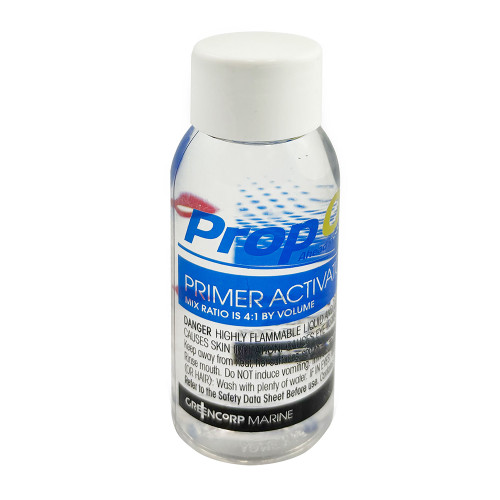
| Primer Activator Volume | 30mL |
| Clear Coat Volume | 100mL |
| Included Items | Prop Wash Wipe, Stirring Stick |
| Approximate Coverage | 2 x 24-inch propellers |
Who This Is For
Boat owners and DIY enthusiasts seeking an effective and easily applicable foul-release coating for their propellers and running gear. Ideal for individuals prioritizing improved vessel performance and reduced maintenance frequency.
How It Compares
| Feature | PropOne Foul-Release Coating Kit for Propellers | Competitor |
|---|---|---|
| Type | Foul-Release Coating | Antifouling Paint, Antifouling Paint |
| Primary Mechanism | Surface slickness to prevent adhesion | Biocidal action, Biocidal action |
| Kit Contents | Primer, Activator, Clear Coat, Wipe, Stirrer | Paint only, Paint only |
| Coverage (approx. for 24" props) | 2 propellers | Varies by application thickness, Varies by application thickness |
Common Concerns Answered
What are the common complaints about PropOne?
Some users find the initial application to be time-consuming, emphasizing the importance of meticulous surface preparation. Larger kit sizes are also a requested improvement for multi-propeller applications or larger diameter props.
Why choose PropOne over traditional antifouling paints?
PropOne's foul-release mechanism relies on surface slickness to prevent adhesion, avoiding biocides found in antifouling paints. This leads to easier cleaning and can contribute to improved fuel efficiency by reducing drag.
Is the initial cost of PropOne justifiable?
The long-lasting performance and reduction in cleaning time and fuel consumption often provide a significant return on investment over the product's 10+ year proven track record, mitigating the perceived higher initial cost compared to traditional paints.
Frequently Asked Questions
How long does PropOne last on a propeller?
PropOne is designed for long-lasting performance, with over a decade of proven real-world application supporting its efficacy.
Is PropOne difficult to apply?
The application is rated as moderate difficulty (2 out of 5). It requires careful surface preparation, including cleaning and sanding, and precise application of the primer and clear coat layers. While no specialized tools are needed, attention to detail is crucial for optimal results.
What is the coverage of the PropOne Kit - 250ml?
The 250ml kit is designed to cover approximately two 24-inch diameter propellers.
Can PropOne be used on other parts of the boat besides the propeller?
The PropOne system is specifically designed as a foul-release coating for propellers and running gear. Refer to the application guide for complete suitability details on other components.
What is the difference between the primer and the clear coat in the PropOne kit?
The primer layer (120mL with 30mL activator) provides essential adhesion to the propeller substrate, preparing the surface for the final clear coat (100mL). The clear coat is the functional foul-release layer that prevents marine growth adhesion.