

Description
C. Sherman Johnson Open Body Turnbuckle w/Splice Eye | Boat Supply Store
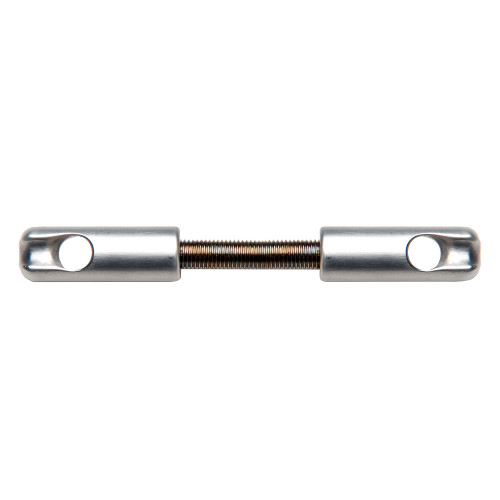
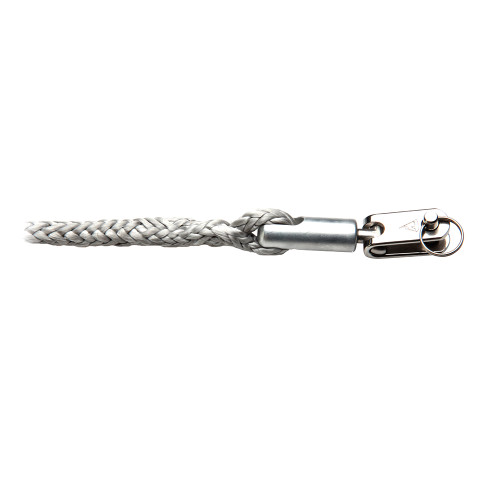
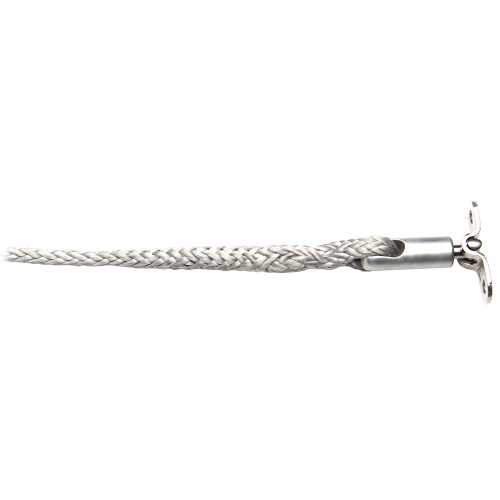
This C. Sherman Johnson turnbuckle is engineered for seamless integration of high-performance Dyneema/Spectra synthetic lines into critical sailboat rigging. Its open body construction facilitates straightforward inspection and lubrication, ensuring longevity and reliable performance. Specifically designed with a splice eye termination, it ensures a secure and line-friendly connection for advanced materials, meeting rigorous offshore racing standards as approved by US Sailing and ISAF.
Key Features
- Easy inspection and lubrication via open body design
- Secure splice eye termination optimized for Dyneema/Spectra
- Lightweight and line-friendly construction
- Race-approved by US Sailing and ISAF for lifelines
- Ideal upgrade from traditional stainless steel cables
- Durable for offshore cruising and racing applications
- Reliable rigging adjustment component
- High-performance synthetic line integration
Specifications
| Product Specifications | |
|---|---|
| Body Type | Open |
| Termination Type | Splice Eye |
| Material Compatibility | Dyneema/Spectra line |
| Approvals | US Sailing, ISAF |
| Application | Lifelines |
Who This Is For
Sailors upgrading to Dyneema/Spectra lifelines or requiring inspectable rigging adjustments. Ideal for offshore racers and cruisers prioritizing lightweight, high-performance components.
How It Compares
| Feature | C. Sherman Johnson Open Body Turnbuckle w/Splice Eye | Competitor |
|---|---|---|
| Body Type | Open | Open |
| Termination Type | Splice Eye (for Dyneema/Spectra) | Swage Terminal |
| Designed for Dyneema/Spectra | Yes | No |
| ISAF/US Sailing Approved for Lifelines | Yes | Typically less capable |
Common Concerns Answered
Does this fitting include the Dyneema line?
No, the Dyneema line is not included with the fitting. This component is specifically designed for integration with your chosen Dyneema or Spectra rope.
Is professional splicing required for this turnbuckle?
Professional splicing is highly recommended for Dyneema/Spectra lines with splice eye terminations to ensure maximum strength and safety. This ensures a precise and reliable connection, although it adds to the overall project cost and complexity for DIY installations.
What are the advantages of using Dyneema/Spectra for lifelines over traditional wire?
Dyneema/Spectra lifelines offer significant weight reduction, superior strength-to-weight ratio, and improved chafe resistance compared to stainless steel wire. They also eliminate the risk of wire fatigue and corrosion, leading to a longer service life and enhanced safety offshore.
Frequently Asked Questions
What is the primary purpose of an open body turnbuckle with a splice eye?
An open body turnbuckle with a splice eye serves to securely terminate and provide adjustable tension for synthetic lines like Dyneema/Spectra in sailboat rigging, while allowing for easy visual inspection and maintenance of the internal mechanism.
Can I use standard stainless steel wire rope with the C. Sherman Johnson Splice Line fittings?
No, the C. Sherman Johnson Splice Line fittings, including this turnbuckle, are specifically engineered for the unique characteristics of Dyneema/Spectra lines and are not suitable for use with standard stainless steel wire rope.
Is professional splicing always necessary for Dyneema lifelines?
While DIY splicing of Dyneema/Spectra is possible, professional splicing is strongly recommended for lifelines due to the critical safety implications and the requirement for precise termination techniques to achieve full rated strength. This ensures compliance with racing regulations and optimal performance.
What are the key advantages of utilizing Dyneema/Spectra for lifelines in offshore racing or cruising?
Dyneema/Spectra lifelines offer a substantial weight saving, increased breaking strength, and excellent UV and chemical resistance compared to traditional wire. This translates to improved boat performance, reduced rigging load, and enhanced safety in demanding marine environments.
How does an open body turnbuckle differ functionally from a closed body turnbuckle?
An open body turnbuckle exposes the internal threaded components, allowing for easier access for inspection, cleaning, and lubrication, which is beneficial for maintaining rigging health. A closed body turnbuckle encapsulates these components, offering greater protection against environmental factors but limiting direct inspection and maintenance access.