

Description
Pacer 1 AWG Seamless Butt Splice | Boat Supply Store
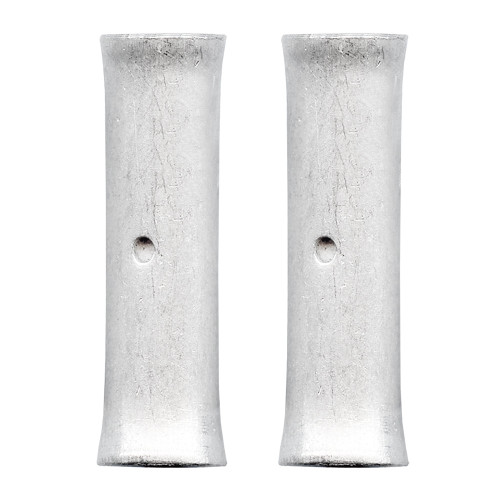
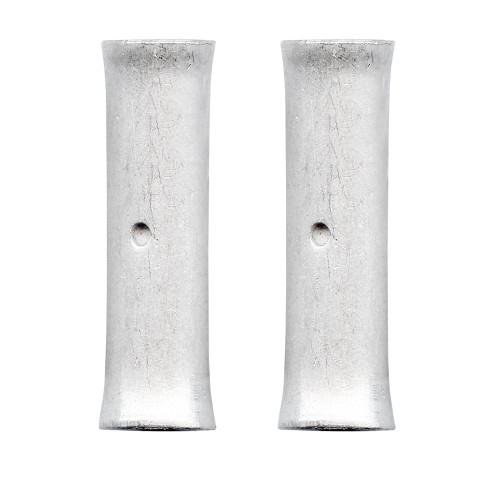
Secure and long-lasting electrical connections are paramount in the demanding marine environment, especially for critical systems requiring 1 AWG wiring. These Pacer Seamless Butt Splices are engineered from 100% conductivity E.T.P. CDA-110 copper, tin-plated for superior corrosion resistance, ensuring reliable power transmission. UL & CSA Approved and RoHS Compliant, they provide a robust solution for extending or repairing circuits on saltwater vessels traversing the Gulf Coast.
Key Features
- Seamless design for a smooth, reliable connection.
- Corrosion-resistant tin plating enhances durability in marine environments.
- Direct crimping enabled by non-insulated construction for maximum conductivity.
- 1 AWG wire compatibility ensures suitability for high-current marine applications.
- 100% conductivity E.T.P. CDA-110 copper construction for optimal electrical flow.
- UL & CSA Approved for verified safety and performance standards.
- RoHS Compliant to meet environmental regulations.
- Pack of 2 provides immediate solutions for essential wiring tasks.
Specifications
| Product Specifications | |
|---|---|
| Wire Gauge | 1 AWG |
| Insulation Type | Non-Insulated |
| Material | Tin-plated E.T.P. CDA-110 copper (100% conductivity) |
| Quantity | 2 Pack |
| Certifications | UL & CSA Approved, RoHS Compliant |
| Brand | Pacer |
| MPN | TBS1-2 |
Who This Is For
Marine electricians and diligent boat owners requiring dependable, high-capacity electrical splices for critical on-board systems. Ideal for DIY enthusiasts undertaking repairs or upgrades where wire integrity is non-negotiable.
How It Compares
| Feature | Pacer 1 AWG Seamless Butt Splice | Competitor |
|---|---|---|
| Wire Gauge | 1 AWG | 1 AWG |
| Insulation Type | Non-Insulated | Non-Insulated |
| Material | Tin-Plated Copper (100% conductivity CDA-110) | Tinned Copper |
| Certifications | UL & CSA Approved, RoHS Compliant | Meets ABYC standards |
| Package Size | 2 Pack | Typically less capable |
Common Concerns Answered
Are these butt splices insulated?
No, these Pacer Seamless Butt Splices are explicitly non-insulated. This design allows for direct crimping onto the wire conductors, maximizing electrical conductivity and requiring proper installation techniques to prevent short circuits.
Why do these cost more than generic connectors?
The Pacer Seamless Butt Splice offers superior marine-grade specifications, including 100% conductivity E.T.P. CDA-110 copper and tin plating, along with critical UL & CSA approvals. This ensures longevity and reliability in harsh saltwater environments, justifying the investment over less robust alternatives.
I've had issues with crimps not being secure. What could be the problem?
Secure crimps are dependent on correct wire stripping length and using the appropriate heavy-duty crimping tool for 1 AWG wire. Over-stripping or under-stripping the wire can compromise the connection's mechanical strength and electrical integrity.
Frequently Asked Questions
How do I properly use a Pacer Seamless Butt Splice?
Strip approximately 1/2 inch of insulation from each wire end. Insert one wire end into each side of the butt splice, ensuring no stray strands are present. Use a heavy-duty, indented crimping tool specifically designed for 1 AWG wire to crimp each end firmly, creating a robust mechanical and electrical bond.
What is the correct wire gauge for this butt splice?
This Pacer Seamless Butt Splice is designed specifically for 1 AWG (American Wire Gauge) wire. Using a different gauge will result in an insecure connection or potential damage.
What is the purpose of the indentation inside the butt splice?
The internal indentation is a critical feature of the crimping process. When the correct crimping tool is used, this indentation bites into the copper of both the wire and the splice barrel, creating a strong mechanical lock and a low-resistance electrical path.
What is the tug test and why is it important?
The tug test is a simple but essential post-crimping check where you apply moderate pulling force to the joined wires. It verifies that the crimp has created a strong mechanical bond, ensuring the splice will withstand vibration and stress common in marine applications.
Are these butt splices suitable for all marine wiring applications?
Yes, these non-insulated butt splices are highly suitable for marine applications requiring high-current capacity and a durable connection, such as main power leads, trolling motor wiring, or heavy-duty accessory circuits, provided they are properly crimped and insulated post-installation if necessary.