
Description
4 AWG Seamless Butt Splice 2-Pack | Boat Supply Store
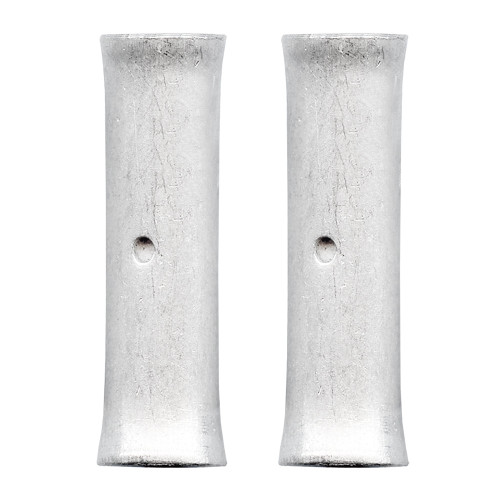
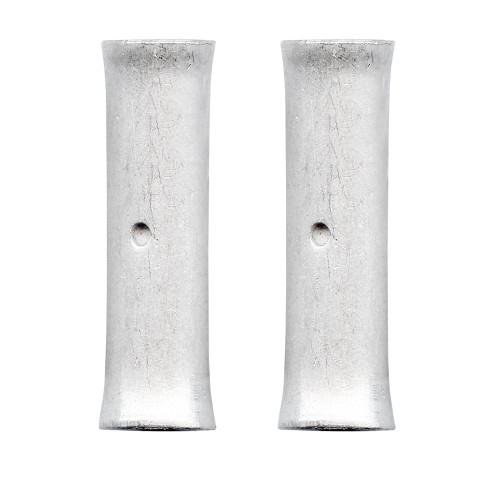
For essential electrical repairs and extensions on any vessel, Pacer's seamless butt splices ensure robust connectivity. Constructed from E.T.P. CDA-110 copper with a tin-plating for superior corrosion resistance, these splices feature an inner diameter of 0.277 inches and an outer diameter of 0.457 inches. They are UL & CSA Approved, guaranteeing performance and safety in demanding marine environments, ideal for maintaining critical systems aboard offshore fishing boats.
Key Features
- Seamless tinned construction for enhanced conductivity
- Non-insulated design for flexible application
- Engineered specifically for 4 AWG marine-grade wire
- Tin-plated for superior corrosion resistance in saltwater
- UL & CSA Approved for assured safety and reliability
- Durable E.T.P. CDA-110 copper material
- Compact 1.155-inch length for accessible installations
- RoHS Compliant for environmental responsibility
Specifications
| Product Specifications | |
|---|---|
| Wire Gauge | 4 AWG |
| Insulation Type | Non-Insulated |
| Material | E.T.P. CDA-110 Copper |
| Plating | Tin-Plated |
| Inner Diameter | 0.277 inches |
| Outer Diameter | 0.457 inches |
| Length | 1.155 inches |
| Quantity | 2 Pack |
| Approvals | UL & CSA Approved |
| Compliance | RoHS Compliant |
Who This Is For
Marine electricians and dedicated DIY boaters requiring robust, long-lasting electrical connections in challenging saltwater environments. This product is built for those who prioritize reliability in their vessel's wiring infrastructure.
How It Compares
| Feature | 4 AWG Seamless Butt Splice 2-Pack | Competitor |
|---|---|---|
| Wire Gauge | 4 AWG | 4 AWG |
| Insulation | Non-Insulated | Non-Insulated |
| Material | Tin-Plated Copper | Tinned Copper |
| Package Size | 2 Pack | 2 Pack |
| Seamless Construction | Yes | No |
Common Concerns Answered
Are these splices insulated?
No, these Pacer Seamless Butt Splices are non-insulated, designed for use with heat shrink tubing or other insulating methods post-crimping to ensure a fully sealed and protected connection.
What is needed to make a secure connection?
A proper crimping tool is essential for optimal results. Ensure the wire is stripped to the correct length and the crimp is applied with sufficient force for a solid, reliable electrical connection that will withstand vibration and environmental stress.
How can I be sure the connection is good?
Following installation, perform a tug test by gently pulling on the connected wires. This verification step ensures the crimp is secure and the splice has created a durable, long-term electrical bond capable of handling the demands of marine applications.
Frequently Asked Questions
How do I use a Pacer Seamless Butt Splice?
Strip approximately 3/8 inch of insulation from each wire end. Insert one wire end into each side of the butt splice, ensuring the wires meet in the center. Use a proper marine-grade crimping tool to crimp both sides of the splice firmly onto the wires. For optimal protection, apply heat shrink tubing over the completed splice.
What is the proper way to crimp a butt splice?
Utilize a ratcheting crimping tool designed for butt splices. Position the tool jaws over the seam of the splice barrel and apply firm, consistent pressure until the tool releases or completes its cycle. Ensure the crimp is flush and the wire strands are fully contained within the splice barrel.
What is the tug test and why is it important?
The tug test is a post-crimping verification method where you gently pull on the wires extending from the splice. It is critical for confirming that the crimp has created a secure mechanical bond, preventing potential electrical failures or wire breakage due to vibration or stress in a marine environment.
What wire gauge is this butt splice designed for?
This specific Pacer Seamless Butt Splice is engineered for use with 4 AWG (American Wire Gauge) marine-grade electrical wire.
Are these butt splices insulated?
No, these Pacer butt splices are non-insulated. They are designed to be used in conjunction with heat shrink tubing or other appropriate insulating methods to provide full protection after the crimping process.