

Description
Pacer 8 AWG Seamless Butt Splice | Boat Supply Store
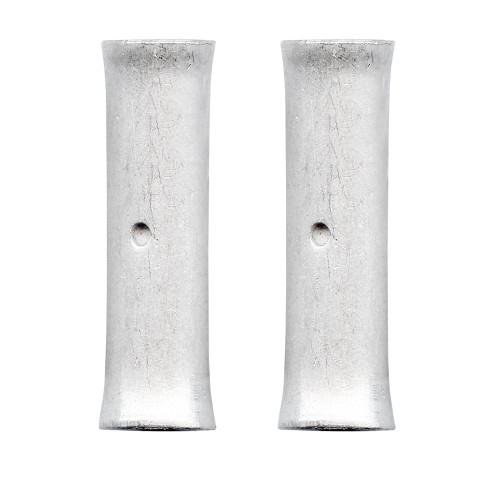
Ensure robust and enduring electrical connections on your vessel with Pacer's seamless butt splices, engineered specifically for 8 AWG marine-grade wiring. Constructed from CDA-110 copper providing 100% conductivity, these non-insulated terminals offer superior electrical flow and resistance to environmental degradation, essential for offshore operations. Each splice measures 0.864 inches in length with an internal diameter of 0.165 inches, facilitating a secure mechanical and electrical bond when properly crimped, a critical factor for preventing corrosion-induced failures in saltwater environments.
Key Features
- Seamless design for smooth electrical flow
- Tin-plated for superior corrosion resistance
- Non-insulated for direct and secure crimping
- Optimized for 8 AWG wire gauge accuracy
- 100% conductivity CDA-110 copper for maximum efficiency
- UL & CSA Approved safety certification
- RoHS Compliant for environmental responsibility
- Durable construction for long-term marine use
Specifications
| Product Specifications | |
|---|---|
| Wire Gauge | 8 AWG |
| Insulation Type | Non-Insulated |
| Material | Tin-plated CDA-110 Copper |
| Conductivity | 100% |
| Length | 0.864 inches |
| Inner Diameter | 0.165 inches |
| Outer Diameter | 0.295 inches |
| Package Quantity | 10 Pack |
| Approvals | UL & CSA Approved |
| Compliance | RoHS Compliant |
Who This Is For
Marine electricians and skilled DIY boat owners requiring dependable, high-conductivity electrical connections. This product is ideal for anyone undertaking boat wiring projects or repairs where long-term reliability in harsh marine conditions is paramount.
How It Compares
| Feature | Pacer 8 AWG Seamless Butt Splice | Competitor |
|---|---|---|
| Wire Gauge | 8 AWG | 8 AWG |
| Insulation | Non-Insulated | Non-Insulated |
| Material | Tin-plated CDA-110 Copper (100% conductivity) | Tin-plated copper |
| Package Size | 10 Pack | 10 Pack |
Common Concerns Answered
How do I ensure a secure crimp?
Achieving a secure crimp requires the use of a quality marine-grade crimping tool designed for the correct wire gauge. Proper wire stripping length is also critical; expose just enough conductor to fully fill the splice barrel without any stray strands protruding. Always perform a tug test after crimping to verify the connection's integrity.
What happens if the wire stripping length is incorrect?
An incorrect wire stripping length can lead to a less secure connection. If stripped too short, insufficient conductor engages within the splice barrel, compromising electrical continuity and mechanical strength. If stripped too long, stray wire strands can cause short circuits or prevent the barrel from compressing adequately around the conductors.
Are these splices suitable for wet environments?
Yes, these Pacer seamless butt splices are specifically designed for marine use. The tin-plated CDA-110 copper construction provides excellent corrosion resistance, a crucial factor for longevity and reliable conductivity in wet and humid marine environments.
Frequently Asked Questions
How do I properly use a Pacer Seamless Butt Splice?
Strip approximately 1/4 inch of insulation from the ends of the two wires you intend to join. Insert one wire end into each opening of the seamless butt splice until it is fully seated. Using a proper marine-grade crimping tool, crimp the splice firmly around the wires, ensuring a solid mechanical and electrical connection.
What is the correct wire gauge for this butt splice?
This Pacer seamless butt splice is designed specifically for 8 AWG (American Wire Gauge) marine electrical wire.
Are these butt splices insulated?
No, these Pacer butt splices are non-insulated, allowing for direct crimping onto the wire conductors. This design is common in marine applications where heat shrink tubing or other insulation is applied after crimping for environmental protection.
What is the tug test and why is it important?
The tug test is a post-crimping procedure where you gently but firmly pull on the wires connected by the splice. It is crucial for verifying that the crimp has created a strong mechanical bond, preventing the wires from pulling out of the splice under stress, which is vital for electrical system reliability.
What materials are these butt splices made from?
These Pacer butt splices are constructed from CDA-110 copper, which is then tin-plated. This combination ensures 100% conductivity for efficient electrical current transfer and provides robust protection against corrosion in marine environments.